Nippon Modern will be recognized as one of the core books of Japanese film studies, a must-read for anyone interested in Japanese cinema.
Nippon Modern is the first intensive study of Japanese cinema in the 1920s and 1930s, a period in which the country's film industry was at its most prolific and a time when cinema played a singular role in shaping Japanese modernity. During the interwar period, the signs of modernity were ubiquitous in Japan's urban architecture, literature, fashion, advertising, popular music, and cinema. The reconstruction of Tokyo following the disastrous earthquake of 1923 high lighted the extent of this cultural transformation, and the film industry embraced the reconfigured space as an expression of the modern. Shochiku Kamata Film Studios (1920-1936), the focus of this study, was the only studio that continued filmmaking in Tokyo following the city's complete destruction. Mitsuyo Wada-Marciano points to the influence of the new urban culture in Shochiku's interwar films, acclaimed as modan na eiga, or modern films, by and for Japanese.🎉 Up to 70% Off Selected ItemsShop Sale
Nippon Modern: Japanese Cinema of the 1920s and 1930s
Author: Mitsuyo Wada-Marciano | Paperback
"Devastated by the 1923 earthquake, Tokyo re-built itself in symbiosis with an image of modernity concocted by its own film studios. Nippon Modern renders that image, aspect after fascinating aspect, in sharp detail." --Dudley Andrew, Yale University
"Nippon Modern will be recognized as one of the core books of Japanese film studies." --Abé Mark Nornes, University of Michigan
Author Bio: Wada-Marciano's thought-provoking examinations illustrate the reciprocal relationship between cinema and Japan's vernacular modernity--what Japanese modernity actually meant to Japanese. Her thorough and thoughtful analyses of dozens of films within the cultural contexts of Japan con tribute to the current inquiry into non-Western vernacular modernities.
Publisher: University of Hawaii Press | Pub Date: January 10, 2008 | Format: Paperback | Pages: 198 | Dimensions: 0.5" H x 8.9" L x 6.0" W | 0.6 lbs
Product Information
Product Information
Shipping & Returns
Shipping & Returns
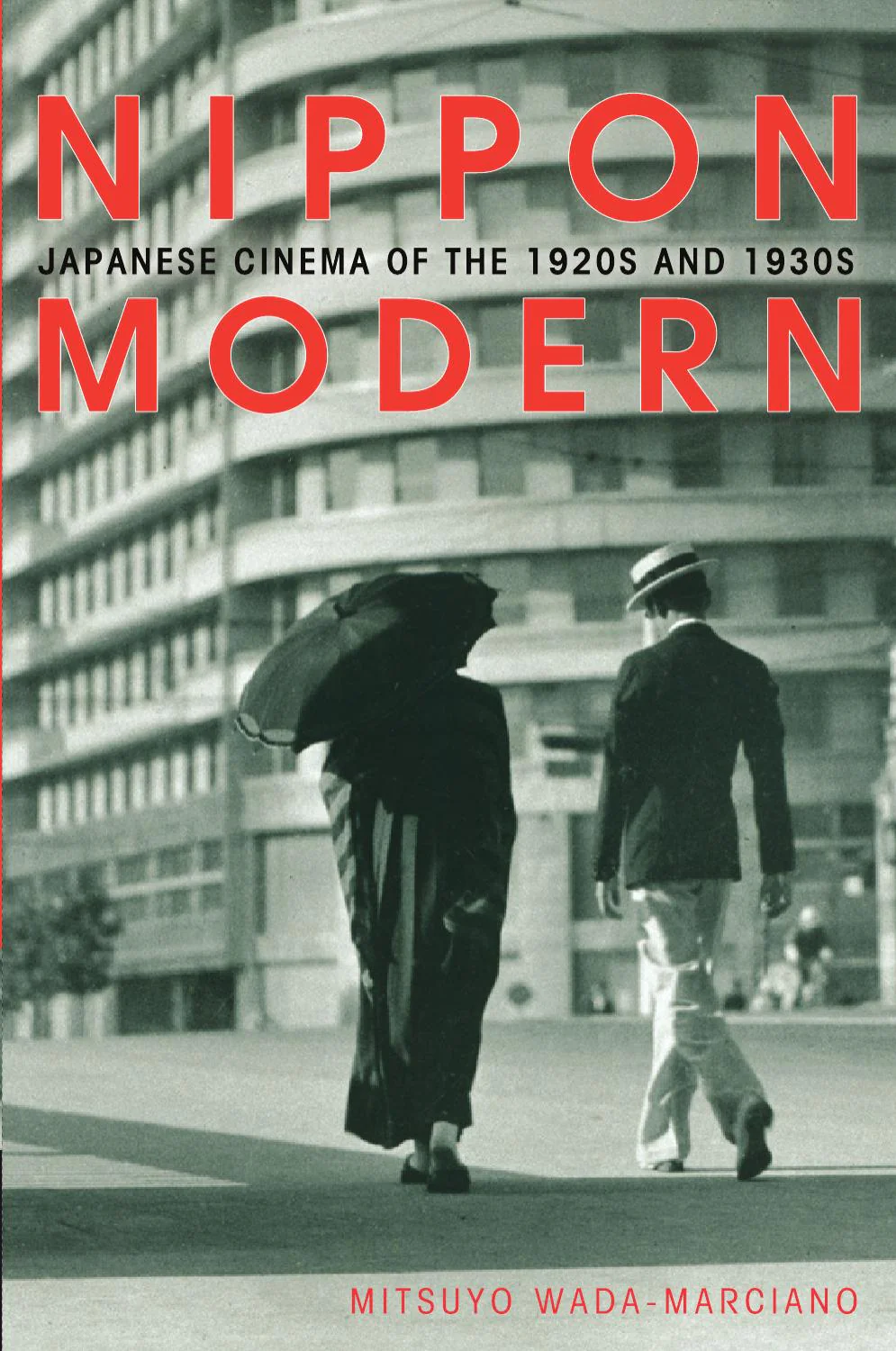
Nippon Modern: Japanese Cinema of the 1920s and 1930s
Nippon Modern: Japanese Cinema of the 1920s and 1930s
Author: Mitsuyo Wada-Marciano | Paperback
Nippon Modern will be recognized as one of the core books of Japanese film studies, a must-read for anyone interested in Japanese cinema.
Nippon Modern is the first intensive study of Japanese cinema in the 1920s and 1930s, a period in which the country's film industry was at its most prolific and a time when cinema played a singular role in shaping Japanese modernity. During the interwar period, the signs of modernity were ubiquitous in Japan's urban architecture, literature, fashion, advertising, popular music, and cinema. The reconstruction of Tokyo following the disastrous earthquake of 1923 high lighted the extent of this cultural transformation, and the film industry embraced the reconfigured space as an expression of the modern. Shochiku Kamata Film Studios (1920-1936), the focus of this study, was the only studio that continued filmmaking in Tokyo following the city's complete destruction. Mitsuyo Wada-Marciano points to the influence of the new urban culture in Shochiku's interwar films, acclaimed as modan na eiga, or modern films, by and for Japanese."Devastated by the 1923 earthquake, Tokyo re-built itself in symbiosis with an image of modernity concocted by its own film studios. Nippon Modern renders that image, aspect after fascinating aspect, in sharp detail." --Dudley Andrew, Yale University
"Nippon Modern will be recognized as one of the core books of Japanese film studies." --Abé Mark Nornes, University of Michigan
Author Bio: Wada-Marciano's thought-provoking examinations illustrate the reciprocal relationship between cinema and Japan's vernacular modernity--what Japanese modernity actually meant to Japanese. Her thorough and thoughtful analyses of dozens of films within the cultural contexts of Japan con tribute to the current inquiry into non-Western vernacular modernities.
Publisher: University of Hawaii Press | Pub Date: January 10, 2008 | Format: Paperback | Pages: 198 | Dimensions: 0.5" H x 8.9" L x 6.0" W | 0.6 lbs
$5.22
Original: $17.40
-70%Nippon Modern: Japanese Cinema of the 1920s and 1930s—
$17.40
$5.22Product Information
Product Information
Shipping & Returns
Shipping & Returns
Description
Author: Mitsuyo Wada-Marciano | Paperback
Nippon Modern will be recognized as one of the core books of Japanese film studies, a must-read for anyone interested in Japanese cinema.
Nippon Modern is the first intensive study of Japanese cinema in the 1920s and 1930s, a period in which the country's film industry was at its most prolific and a time when cinema played a singular role in shaping Japanese modernity. During the interwar period, the signs of modernity were ubiquitous in Japan's urban architecture, literature, fashion, advertising, popular music, and cinema. The reconstruction of Tokyo following the disastrous earthquake of 1923 high lighted the extent of this cultural transformation, and the film industry embraced the reconfigured space as an expression of the modern. Shochiku Kamata Film Studios (1920-1936), the focus of this study, was the only studio that continued filmmaking in Tokyo following the city's complete destruction. Mitsuyo Wada-Marciano points to the influence of the new urban culture in Shochiku's interwar films, acclaimed as modan na eiga, or modern films, by and for Japanese."Devastated by the 1923 earthquake, Tokyo re-built itself in symbiosis with an image of modernity concocted by its own film studios. Nippon Modern renders that image, aspect after fascinating aspect, in sharp detail." --Dudley Andrew, Yale University
"Nippon Modern will be recognized as one of the core books of Japanese film studies." --Abé Mark Nornes, University of Michigan
Author Bio: Wada-Marciano's thought-provoking examinations illustrate the reciprocal relationship between cinema and Japan's vernacular modernity--what Japanese modernity actually meant to Japanese. Her thorough and thoughtful analyses of dozens of films within the cultural contexts of Japan con tribute to the current inquiry into non-Western vernacular modernities.
Publisher: University of Hawaii Press | Pub Date: January 10, 2008 | Format: Paperback | Pages: 198 | Dimensions: 0.5" H x 8.9" L x 6.0" W | 0.6 lbs